
Understanding Menopause
-
Understanding Menopause
2 lessons- What is Menopause?
- Symptoms of Menopause
-
Common Mistakes During Menopause
3 lessons- Common Mistakes of Women and their Partners
- Ignoring Symptoms or Mental Health
- Not Relying on Faith During Menopause
-
Quick Fixes for Menopause Symptoms
2 lessons- Exercise and Physical Activity during Menopause
- Nutrition during Menopause
What is Menopause?
A single biological moment — confirmed when a woman has gone 12 consecutive months without a menstrual period. It marks the end of her reproductive years. It is not a disease, a disorder, or a decline. It is a natural hormonal transition driven by the ovaries gradually producing less estrogen and progesterone — the two hormones that have governed her cycle since puberty.
Hot flashes & night sweats
Sudden waves of heat — sometimes intense enough to drench clothing — caused by the brain's temperature centre becoming hypersensitive as estrogen drops. Affects 75–80% of women.
Disrupted sleep
Night sweats interrupt deep sleep cycles. Chronic poor sleep compounds fatigue, mood, and cognitive function.
Mood changes & anxiety
Estrogen regulates serotonin — the mood stabiliser. Lower estrogen means the emotional thermostat is less steady. This is neurological, not emotional weakness.
Brain fog
Difficulty concentrating, word retrieval issues, short-term memory dips. Estrogen supports brain function; fluctuations affect cognitive sharpness. Usually temporary.
Body changes
Shifts in fat distribution (more around the abdomen), reduced skin elasticity, joint aches. Estrogen supports collagen and metabolic function.
Genitourinary changes
Vaginal dryness, reduced lubrication, increased urinary urgency. Caused by estrogen receptors throughout the pelvic region receiving less signal. Highly treatable.
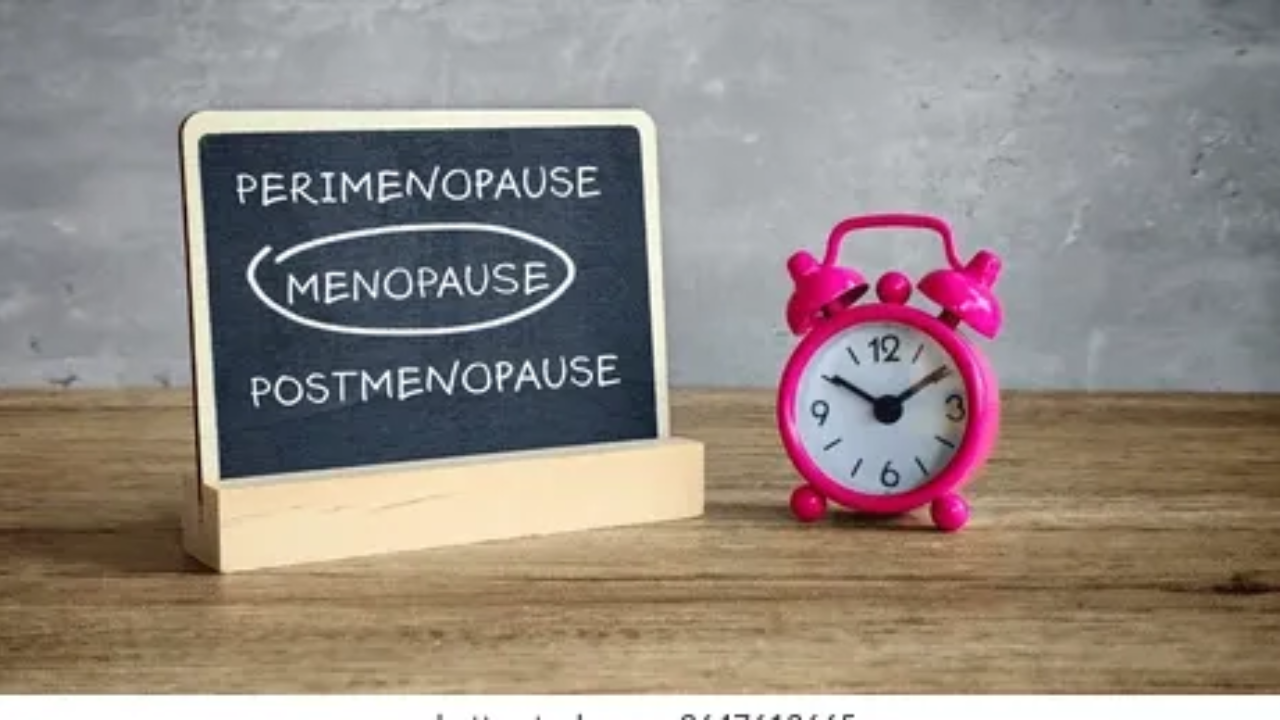
There are 3 transitions of Menopause
Perimenopause / ~40–51 · up to 10 yrs / Estrogen rises and falls unpredictably. Periods irregular. Most symptoms are at their most erratic here.
Menopause / avg. age 51 · 1 moment in time / Confirmed at 12 months with no period. Estrogen at its lowest point.
Postmenopause / 51+ · rest of life / Hormones may stabilize at a new low baseline. Many symptoms ease. New health priorities emerge (bone & heart).
The bottom line: Menopause is not what happens to a woman — it is one data point in a decade-long hormonal shift. The symptoms are real, measurable, and biological. Understanding the numbers helps explain the experience.
Want personalized guidance? 👉 Menopause Strength Reset 1:1 Experience
Symptoms of Menopause
In this lesson, we will be discussing the common symptoms of menopause that many women experience as they go through this natural transition. Menopause is a normal part of aging for women, typically occurring in their late 40s to early 50s. Understanding the symptoms can help you better navigate this phase of life with confidence and ease.
During menopause, women may experience a wide range of symptoms that can vary in severity. Some of the most common symptoms include hot flashes, night sweats, mood swings, fatigue, and changes in libido. These symptoms are caused by hormonal changes in the body as estrogen levels decline. It's important to remember that every woman's experience with menopause is unique, so not everyone will experience the same symptoms or to the same degree.
If you’re in menopause and nothing you’ve tried is working the way it used to, this 5-day reset will help you understand what’s actually going on—and how to start feeling like yourself again.
Here are menopause symptoms ranked from most to least common:
Most Common
1. Hot flashes / night sweats
2. Irregular periods
3. Sleep disturbances / insomnia
4. Mood changes (irritability, anxiety, depression)
5. Vaginal dryness
6. Brain fog / memory lapses
7. Fatigue
Common
8. Weight gain / slowed metabolism
9. Joint and muscle pain
10. Headaches / migraines
11. Decreased libido
12. Hair thinning or loss
13. Dry skin and itching
14. Heart palpitations
Less Common
15. Urinary urgency / frequent UTIs
16. Bloating and digestive changes
17. Tingling or numbness (paresthesia)
18. Electric shock sensations
19. Tinnitus (ringing in the ears)
20. Burning mouth syndrome
21. Altered sense of smell or taste
22. Gum and dental changes
23. Dry, irritated eyes
24. Allergies worsening
25. Vertigo / dizziness
Least Talked About (but real)
26. Anxiety and panic attacks
27. Body odor changes
28. Breast tenderness or changes
29. Formication (crawling skin sensation)
30. Emotional numbness or detachment
The top 7 are experienced by the vast majority of women. Symptoms 8–14 affect many but aren’t always connected to menopause. The lower on the list, the more likely a woman is to be dismissed or misdiagnosed — which is a big part of why awareness matters so much.
In conclusion, being aware of the symptoms of menopause can help you better manage and cope with the changes happening in your body. It's important to seek support from healthcare professionals and loved ones if you are struggling with any of these symptoms. Remember that menopause is a natural process and there are many resources available to help you navigate this phase of life with strength and resilience.
- Symptoms vary in severity and every woman's experience with menopause is unique.
- Seek support from healthcare professionals and loved ones to cope with menopausal symptoms.
Want personalized guidance? 👉 Menopause Strength Reset 1:1 Experience
Want personalized guidance? 👉 Menopause Strength Reset 1:1 Experience
Ignoring Symptoms or Mental Health
Ignoring Symptoms
One of the biggest mistakes women 40+ make in menopause is brushing off symptoms like fatigue, brain fog, weight changes, poor sleep, or anxiety as “just stress” or something to push through. The body is actually sending early signals that its internal balance is shifting. When these signs are ignored, the system doesn’t correct itself—it compensates. Over time, that often leads to deeper exhaustion, more intense mood swings, disrupted sleep, and a sense of losing control of the body.
Menopause symptoms are not random noise. They are feedback. Listening early allows for adjustments before the body is forced into crisis mode.
| Comprehensive Menopause Symptom Tracker | ||
| Category | Symptom | Frequency/Severity (1-5) |
| Vasomotor | 1. Hot Flashes | |
| 2. Night Sweats | ||
| 3. Cold Flashes | ||
| Sleep & Energy | 4. Insomnia/Sleep Issues | |
| 5. Fatigue/Low Energy | ||
| 6. Restless Legs | ||
| Cognitive & Mood | 7. Brain Fog/Forgetfulness | |
| 8. Difficulty Concentrating | ||
| 9. Irritability | ||
| 10. Anxiety | ||
| 11. Mood Swings | ||
| 12. Depression/Low Mood | ||
| 13. Panic Attacks | ||
| 14. Lack of Motivation | ||
| 15. Loss of Self-Confidence | ||
| Physical/Systemic | 16. Weight Gain (especially abdominal) | |
| 17. Headaches or Migraines | ||
| 18. Joint Pain/Stiffness | ||
| 19. Muscle Aches/Tension | ||
| 20. Breast Tenderness/Soreness | ||
| 21. Heart Palpitations | ||
| 22. Dizziness/Vertigo | ||
| 23. Bloating | ||
| 24. Digestive Issues (nausea, gas) | ||
| 25. New or Worsening Allergies | ||
| 26. Changes in Body Odor | ||
| Dermatological | 27. Dry or Itchy Skin | |
| 28. Thinning Hair/Hair Loss | ||
| 29. Increased Facial Hair | ||
| 30. Brittle Nails | ||
| Oral & Sensory | 31. Burning Mouth Syndrome | |
| 32. Dry Mouth | ||
| 33. Gum Problems/Sore Gums | ||
| 34. Tingling Extremities (Pins & Needles) | ||
| 35. Electric Shock Sensations | ||
| 36. Dry or Itchy Eyes | ||
| 37. Tinnitus (Ringing in Ears) | ||
| Genitourinary | 38. Vaginal Dryness/Painful Sex | |
| 39. Low Libido | ||
| 40. Bladder Urgency/Incontinence |
Ignoring Mental Health
Another major mistake is separating menopause from mental health. Many women assume anxiety, irritability, sadness, or emotional numbness are “just emotional issues” or personality changes. In reality, fluctuating estrogen and progesterone directly affect brain chemistry, stress response, and emotional regulation.
When mental health changes are ignored or minimized, women often internalize it as weakness or “losing themselves.” This adds shame on top of an already overloaded nervous system.
Supporting mental health in menopause isn’t optional—it’s foundational. The brain is adapting just as much as the body, and it needs understanding, not dismissal, to stabilize.
Want personalized guidance? 👉 Menopause Strength Reset 1:1 Experience
Another Mistake
Not Relying on Faith During Menopause Menopause
This is not about perfection in belief—it’s about practical reliance on God in real moments of stress, confusion, and change.
1. Reframe the Season as a “Refining,” Not a Breakdown
Instead of interpreting symptoms or emotional changes as failure, both partners can practice seeing this season as refinement—something meaningful is being reshaped, not destroyed.
Action step:
- Replace “What is wrong with me?” with:
“What is this season teaching me to release, slow down, or trust God with?” - As a couple, speak out loud: “We are not falling apart—we are being led through a transition.”
2. Use Faith as the First Response, Not the Last Resort
Many people turn to faith only after stress escalates. In this season, faith works best when it becomes the first response to emotional or physical overwhelm.
Action steps:
- Pause before reacting to mood shifts or tension and say:
“Let’s pray before we respond.” - Use short grounding prayers in real time:
“Lord, steady my mind.”
“Give me patience right now.” - When emotions rise, avoid immediate problem-solving—pause and center first.
3. Create a Shared Spiritual Language Between Partners
Menopause can create misunderstanding if partners interpret changes personally. Faith creates a shared lens that removes blame.
Action steps:
- Agree on phrases like:
“We’re in a heavy moment—let’s anchor in peace.” - Replace defensiveness with curiosity:
“Help me understand what you’re feeling right now.” - Pray together briefly even if it’s uncomfortable at first—consistency matters more than length.
4. Anchor the Nervous System Through Spiritual Rhythm
Faith is not only belief—it’s rhythm. Repetition creates emotional stability during hormonal fluctuation.
Action steps:
- Morning: 2–5 minutes of scripture, gratitude, or quiet prayer before phone or stress.
- Evening: release the day with a simple “hand it over” prayer:
“God, I release today and I trust You with what I can’t control.” - Weekly: shared moment of reflection as a couple—what felt hard, what felt supported, what we’re trusting God with.
5. Replace Control with Trust in Real-Time Moments
Menopause often brings a loss of predictability. The temptation is to control more—food, emotions, outcomes, relationships. Faith teaches surrender, but in a practical way.
Action steps:
- When spiraling thoughts begin, pause and name it:
“This is where I choose trust over control.” - Partners can gently remind each other:
“We don’t have to fix everything right now.” - Focus on “next right step,” not the whole future.
6. Build Emotional Safety Through Grace, Not Pressure
Both women and partners need grace during this season. Faith-centered relationships lower shame and increase understanding.
Action steps:
- Remove labels like “too sensitive” or “too emotional.”
- Replace correction with support:
“I’m here with you, not against you.” - Practice forgiveness quickly—don’t let small misunderstandings accumulate.
Bottom Line
Faith in menopause is not about explaining everything—it’s about staying anchored when things don’t make sense yet. For the woman, it becomes inner steadiness. For the partner, it becomes emotional leadership rooted in patience and presence.
When both lean into faith practically—not just spiritually in theory—the season becomes less about confusion and more about shared strengthening.
Want personalized guidance? 👉 Menopause Strength Reset 1:1 Experience
Nutrition During Menopause (Women 40+ and Beyond)
During menopause, the body doesn’t just “slow down”—it recalibrates how it uses food, stores fat, regulates blood sugar, and maintains energy. Diet becomes less about restriction and more about support, stability, and hormonal balance.
The goal is to stop fighting the body and start feeding it in a way that matches its new needs.
1. Prioritize protein to protect muscle and metabolism
As estrogen declines, muscle mass naturally decreases. Since muscle drives metabolism, this can lead to fatigue, weight changes, and loss of strength.
Why it matters:
Protein helps preserve muscle, stabilizes blood sugar, and supports recovery.
Action focus:
-
Include protein at every meal (eggs, fish, chicken, beans, Greek yogurt)
-
Aim for consistent intake rather than large spikes
-
Pair protein with breakfast to reduce cravings later in the day
2. Stabilize blood sugar to reduce mood swings and fat storage
Hormonal shifts make blood sugar more sensitive, which can trigger energy crashes, irritability, and stubborn weight gain (especially around the midsection).
Why it matters:
Balanced blood sugar supports both mood and metabolism.
Action focus:
-
Combine protein + fiber + healthy fats at meals
-
Reduce frequent high-sugar or refined carb snacks
-
Avoid skipping meals (this often backfires in menopause)
3. Increase fiber for digestion, hormones, and detox support
Digestive changes are common during menopause, including bloating and slower metabolism. Fiber helps regulate these systems.
Why it matters:
Fiber supports gut health, estrogen metabolism, and satiety.
Action focus:
-
Vegetables at most meals
-
Fruits with skins (berries, apples)
-
Whole foods like oats, chia seeds, legumes
4. Support hormones with healthy fats
Fat is not the enemy—it is essential for hormone production and brain health.
Why it matters:
Low-fat diets can worsen hormonal imbalance and energy issues in this stage.
Action focus:
-
Include avocado, olive oil, nuts, seeds
-
Omega-3 sources like salmon or flaxseed
-
Avoid ultra-processed trans fats and heavily refined oils
5. Reduce inflammation instead of focusing on restriction
Menopause is often accompanied by increased inflammation, which can affect joints, energy, sleep, and weight.
Why it matters:
Inflammation amplifies symptoms.
Action focus:
-
Minimize ultra-processed foods and excess sugar
-
Increase whole, nutrient-dense foods
-
Include anti-inflammatory foods (berries, leafy greens, turmeric, fatty fish)
6. Hydration becomes a hormonal support tool
Hormonal changes can affect thirst cues, energy, and skin health.
Why it matters:
Even mild dehydration can worsen fatigue, brain fog, and cravings.
Action focus:
-
Drink water consistently throughout the day
-
Add electrolytes if needed (especially with sweating or hot flashes)
-
Limit excess caffeine if it disrupts sleep or anxiety levels
Bottom Line
Nutrition during menopause is not about eating less—it’s about eating strategically. The focus shifts from restriction to regulation: stabilizing blood sugar, protecting muscle, supporting hormones, and reducing inflammation.
When food becomes consistent support instead of confusion or control, women often experience more stable energy, clearer thinking, improved mood, and better body composition over time.
Want personalized guidance? 👉 Menopause Strength Reset 1:1 Experience

When your body starts feeling unfamiliar this is where you begin again
Menopause Strength Reset
1:1 Experience guided by your customized feedback so you feel the change
Click here to save your spot